معاملات آزمایشی چیست؟
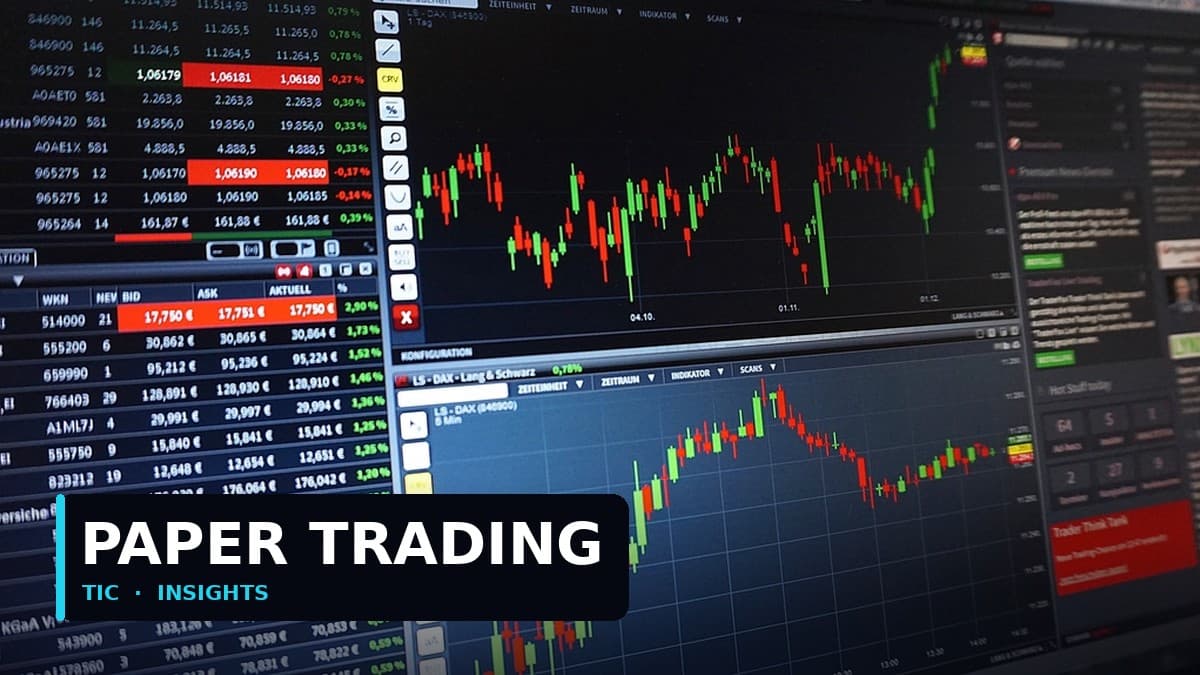
معاملات آزمایشی یعنی انجام معامله با پول مجازی روی قیمتهای واقعی و زنده بازار. تصمیمات شما واقعی است، قیمتها واقعی هستند، سود و زیان دقیقاً همانطور که در یک حساب واقعی محاسبه میشود محاسبه میگردد، اما پول شبیهسازیشده است. این شبیهساز پرواز دنیای معاملهگری است: واقعگرایی کامل، بدون پیامد.
اپلیکیشن TIC یک شبیهساز معاملات آزمایشی رایگان شامل موجودی مجازی ۱۰,۰۰۰ دلاری و دادههای زنده بازار دارد. میتوانید ورود، خروج، اندازهگیری پوزیشن و کنترل ریسک را در برابر همان بازاری که یک معاملهگر واقعی با آن روبهروست تمرین کنید، بدون اینکه حتی یک درهم واقعی در خطر باشد.
شبیهساز معاملات آزمایشی TIC چه چیزی به شما میدهد؟
هر معاملهگری اغلب اشتباه میکند. اشتباه کردن با موجودی دمو هزینهای ندارد و همان درس را میآموزد. اشتباه کردن با پول واقعی در ابتدای کار، پیش از فهمیدن اندازهگیری پوزیشن، دلیل اصلی ترک معاملهگری توسط اکثر مبتدیان در ماه اول است.
چون روی دادههای زنده بازار اجرا میشود، تمرین صادقانه است. حس میکنید طلا چقدر سریع میتواند حرکت کند، پوزیشن وقتی برخلاف شما حرکت میکند چه شکلی است، و حد ضرر وقتی قیمت به آن میرسد واقعاً چگونه رفتار میکند. شبیهسازی روی قیمتهای جعلی یا تأخیری، عادات جعلی میآموزد.
سود و زیان دقیقاً همانطور که در حالت زنده محاسبه میشود، بر اساس پیپ و اندازه لات محاسبه میشود، تا پیش از اینکه پول خودتان باشد، بیاموزید یک اندازه معامله مشخص واقعاً چقدر پول را به خطر میاندازد.
میتوانید قانونی را که دربارهاش خواندهاید آزمایش کنید، ببینید در دهها معامله چگونه دوام میآورد، و پیش از تأمین هر مبلغی تصمیم بگیرید آیا برایتان مناسب است.
آیا معاملات آزمایشی واقعاً کمک میکند؟
بله، اگر آن را جدی بگیرید، و نه چندان، اگر جدی نگیرید.
استفاده درست از آن دو چیز میسازد که فقط با تکرار به دست میآید: آشنایی با مکانیزمها، بهطوری که باز و مدیریت کردن معامله بهجای دستوپاچلفتی بودن، طبیعت ثانویه میشود، و شواهدی درباره رفتار خودتان. سی معامله شبیهسازیشده را صادقانه اجرا کنید و الگوها ظاهر میشوند. پس از بردها حجم را افزایش میدهید. وقتی عصبی هستید حد ضرر را جابهجا میکنید. در روزهای کسلکننده بیشتر معامله میکنید. اینها دقیقاً همان عاداتی هستند که نتایج واقعی را تعیین میکنند، و کشف آنها اینجا بسیار ارزانتر است.
ترکیب معاملات آزمایشی با دفترچه معاملاتی جایی است که ارزش واقعی نهفته است: شبیهساز به شما اجازه عمل میدهد، دفترچه به شما اجازه میدهد ببینید واقعاً چه کردید.
محدودیتهای معاملات آزمایشی چیست؟
صادق بودن درباره این مهم است، چون فاصله میان دمو و واقعی، واقعی است.
از دست دادن پول مجازی درد ندارد، و همان ترس غایب دقیقاً چیزی است که رفتار افراد را وقتی پول واقعی در خطر است تغییر میدهد. یک معاملهگر دموی آرام و منضبط میتواند روی یک حساب واقعی به شخصی متفاوت تبدیل شود. معاملات آزمایشی مهارت مکانیکی میسازد، نه تابآوری احساسی.
یک محیط دمو ممکن است معاملات شما را تمیزتر از یک حساب زنده در بازارهای سریع پر کند، جایی که اسپردها گسترده میشوند و لغزش قیمت رخ میدهد. پس نتایج دمو را بهعنوان بهترین حالت ممکن در نظر بگیرید، نه یک وعده.
راه درست خواندن این مطلب این است: معاملات آزمایشی ثابت میکند آیا مکانیزمها را میفهمید و آیا یک قانون ارزش معامله دارد. ثابت نمیکند که وقتی پول خودتان در حرکت است از آن قانون پیروی خواهید کرد. آن آزمون دوم فقط با یک پوزیشن واقعی، کوچک، و با دقت اندازهگیریشده به دست میآید.
این تفکیک صادقانه است بین آنچه به حساب واقعی منتقل میشود و آنچه منتقل نمیشود:
| دمو چه چیزی میآموزد | فقط پول واقعی چه چیزی میآموزد |
|---|---|
| چگونگی باز کردن و مدیریت معامله | آیا میتوانید زیر فشار ترس به یک برنامه پایبند بمانید |
| اینکه یک اندازه لات چقدر پول را به خطر میاندازد | آیا سود را خیلی زود برداشت میکنید |
| حد ضرر چگونه رفتار میکند | آیا هنگام ترس حد ضرر را جابهجا میکنید |
| آیا یک قانون برتری دارد | آیا اصلاً از قانون پیروی میکنید |
| سرعت و حس بازار | چگونه به یک افت سرمایه واقعی واکنش نشان میدهید |
ستون چپ را بهعنوان سرفصل درسی و ستون راست را بهعنوان امتحان بخوانید. قبول شدن در سرفصل درسی روی دمو لازم است اما کافی نیست، و هیچکس بدون حداقل یک بار مردود شدن، در امتحان نمینشیند.
چه مدت باید پیش از رفتن به حالت واقعی، معاملات آزمایشی انجام دهید؟
آنقدر طولانی که دیگر شگفتزده نشوید، و نه بیشتر. در هر دو طرف یک تله وجود دارد. تأمین یک حساب واقعی پس از سه معامله دمو یعنی چیزی نیاموختهاید. ماندن روی دمو برای یک سال کامل یعنی از تنها چیزی که اهمیت دارد اجتناب میکنید، که آزمون احساسی است که فقط پول واقعی آن را ارائه میدهد.
نشانه معقول حدود پنجاه معامله شبیهسازیشده است که صادقانه ثبت شدهاند و اندازهگیری ثابت و برنامهای که واقعاً دنبال کردهاید را نشان میدهند. وقتی نتایج دمو شما ثابت و صادقانه کمی کسلکننده باشد، آن نشانه است. سپس به یک حساب واقعی کوچک بروید، عمداً کوچکتر از آنچه هیجانانگیز به نظر میرسد، و انتظار داشته باشید رفتارتان همچنان تغییر کند. هدف از شروع کوچک در حالت واقعی، ملاقات ارزان با آن نسخه تغییریافته از خودتان است.
چگونه باید از آن استفاده کنید؟
به آن یک وظیفه مشخص بدهید، بهجای کلیک کردن بیهدف. یک چیز را برای یادگیری انتخاب کنید، معاملات کافی انجام دهید که نتیجه شانسی نباشد، هر یک را صادقانه ثبت کنید، و مجموعه را مرور کنید. اندازهگیری را طوری تمرین کنید که یک معامله زیانده هزینهای ثابت و کوچک داشته باشد. تمرین کنید که حد ضرر را دستنخورده رها کنید. وقتی رفتار دموی شما ثابت و کسلکننده باشد، آن نشانهای است که آمادهاید یک حساب واقعی کوچک تأمین کنید و آزمایش کنید آیا در برابر احساسات واقعی دوام میآورد.
معاملات آزمایشی در اپلیکیشن TIC، در کنار دفترچه، آکادمی، و دادههای زنده بازار رایگان است. همچنین میتوانید پیش از تصمیم به کپی کردن استراتژیهای ما، رفتار آنها را از طریق عملکرد تأییدشده Myfxbook در اپلیکیشن مطالعه کنید.
معاملهگری ریسک بالایی دارد و ممکن است سرمایه خود را از دست بدهید. نتایج دمو شرایط احساسی و اجرایی معاملات واقعی را منعکس نمیکنند. عملکرد گذشته تضمینی برای نتایج آینده نیست. این محتوا صرفاً جنبه آموزشی دارد و توصیه سرمایهگذاری محسوب نمیشود.
Available on iOS and Android
iOS — App Store
iPhone and iPad — free download
Android — Google Play
All Android devices — free download
Download TIC Free Today
Full academy, paper trading, and four calculators — no credit card required. Upgrade to Pro or Elite when you're ready.
The TIC App subscription is separate from the copy-trading 30% performance fee — they are two independent services.
Verify any trader's results in 10 minutes
Seven checks that reveal whether a track record is real: third-party verification, maximum drawdown, trade count, and the martingale warning signs. Use it on anyone — including on us.
We'll send the checklist plus occasional TIC insights. We never share your email, and you can unsubscribe any time.