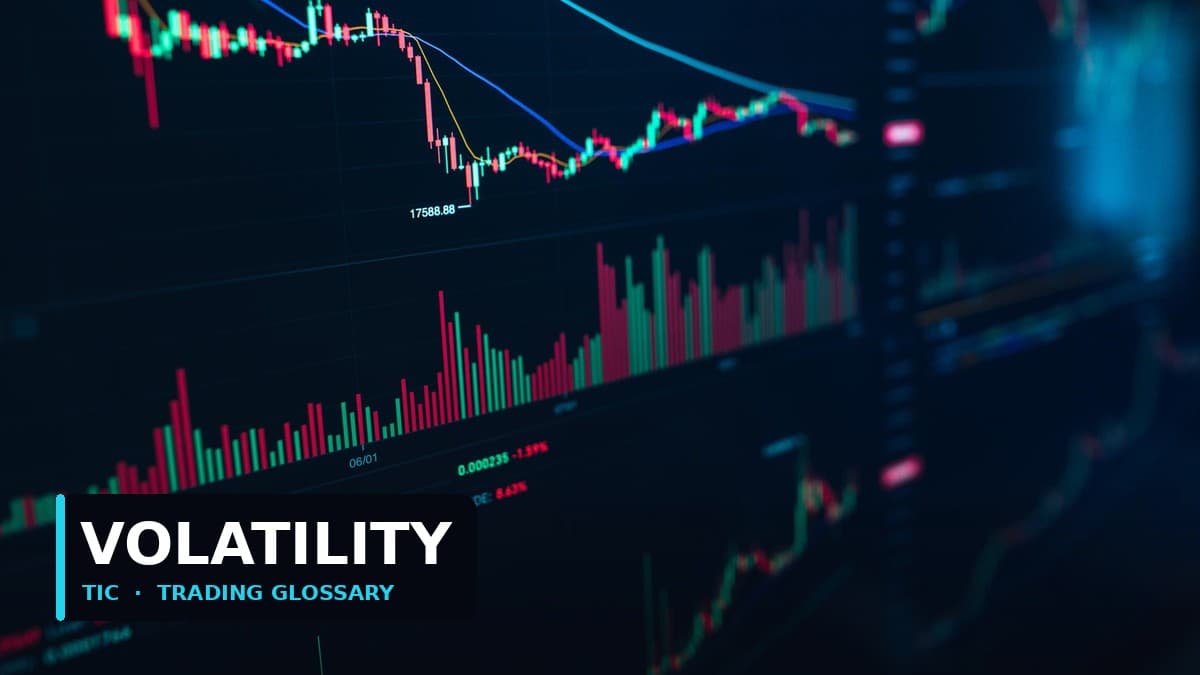
Un mercato che oscilla di 40 dollari in un giorno è più volatile di uno che deriva di 5 dollari, che finisca al rialzo o al ribasso. La volatilità è una misura del movimento, non una previsione di esso, e confondere le due cose è uno degli errori più comuni dei principianti.
Quella distinzione conta per soldi veri: la volatilità non ti dice dove sta andando l'oro, ma ti dice quanto spazio serve alla tua operazione e quanto grande può essere una posizione che puoi mantenere in sicurezza.
Cos'è la Volatilità, in una Frase?
È l'ampiezza delle oscillazioni di prezzo di un mercato nel tempo. Alta volatilità significa movimenti grandi e veloci; bassa volatilità significa movimenti piccoli e lenti. Nessuna delle due è intrinsecamente buona o cattiva. Uno scalper ha bisogno di un po' di volatilità per trovare opportunità, mentre un trader con leva eccessiva viene distrutto dalla stessa volatilità perché il suo stop è troppo vicino per il range normale del mercato.
Come Si Misura la Volatilità?
Lo strumento più pratico per un trader retail è l'Average True Range, o ATR, che mostra la distanza tipica percorsa da un mercato in un periodo. Se l'ATR giornaliero dell'oro è di 30 dollari, il mercato ti sta dicendo che un giorno normale copre circa trenta dollari di range.
Quel singolo numero cambia il modo in cui fai trading. Supponi che l'ATR dell'oro sia di 30 dollari e tu imposti uno stop di 6 dollari perché "sembra stretto". Uno stop di 6 dollari si trova ben dentro il movimento di una singola giornata normale, quindi il rumore ordinario ti farà uscire prima che la tua idea abbia una possibilità di funzionare. Uno stop deve rispettare il range del mercato, non la tua comodità. È anche per questo che la stessa strategia ha bisogno di uno stop più ampio, e quindi di una posizione più piccola, quando la volatilità sale. La meccanica per trasformare una distanza di stop in una dimensione di lotto è trattata in dimensionamento della posizione sull'oro.
| Condizione | ATR giornaliero dell'oro | Uno stop sensato | Cosa significa per la dimensione |
|---|---|---|---|
| Mercato tranquillo | 12$ | 10$-15$ | Posizione più grande consentita |
| Mercato normale | 25$-30$ | 20$-35$ | Posizione standard |
| Notizie o crisi | 50$+ | 45$+ | Posizione più piccola, stesso rischio in denaro |
Perché la Volatilità Cambia la Dimensione della Tua Posizione?
Perché il tuo rischio è la distanza dello stop moltiplicata per la dimensione della tua posizione, e la volatilità imposta la distanza di stop onesta. Quando il range dell'oro raddoppia, uno stop sicuro deve allargarsi, e per mantenere lo stesso rischio in denaro la dimensione della tua posizione deve ridursi. I trader che mantengono la stessa dimensione di lotto durante una volatilità crescente stanno silenziosamente raddoppiando il loro rischio senza accorgersene.
Questo è il nucleo della relazione: quando la volatilità sale, la dimensione dovrebbe scendere, in modo che un movimento normale contro di te costi sempre lo stesso piccolo importo pianificato. Per come spread e leva aggravano questo durante le ore attive, leggi volatilità, spread e leva dell'oro negli orari di trading del GCC, e per il costo più profondo di un brutto periodo vedi cosa misura davvero il drawdown.
L'Alta Volatilità È Buona o Cattiva per un Trader?
Nessuna delle due. È una condizione da rispettare, non un segnale da inseguire. L'alta volatilità amplia il range dei risultati: la stessa posizione può produrre una vincita maggiore o una perdita maggiore rispetto a un mercato calmo. Ecco perché i trader disciplinati adattano la loro dimensione alle condizioni invece di fare trading con un lotto fisso indipendentemente da cosa sta facendo il mercato.
La conclusione onesta non è affascinante. La volatilità non può essere prevista in modo affidabile, e chiunque affermi di sapere esattamente quanto sarà volatile domani sta indovinando. Quello che un trader serio può controllare è la risposta: misura il range attuale, dimensiona la posizione di conseguenza, e posiziona lo stop dove dice il mercato, non l'emozione. Quella disciplina, applicata su centinaia di operazioni, è ciò che riflette davvero un track record verificato in modo indipendente come /results di TIC.
il trading comporta un rischio elevato e potresti perdere il tuo capitale; le performance passate non garantiscono risultati futuri; contenuto puramente educativo, non consulenza di investimento.
Verify any trader's results in 10 minutes
Seven checks that reveal whether a track record is real: third-party verification, maximum drawdown, trade count, and the martingale warning signs. Use it on anyone — including on us.
We'll send the checklist plus occasional TIC insights. We never share your email, and you can unsubscribe any time.